
OS-Climate maintains open-source tools and reference implementations that accelerate climate risk analytics and reporting capabilities. Our tools help users identify, quantify, and manage climate-related financial risks (e.g., physical risk), improving the quality of decisions.

We reduce duplicated engineering effort by providing reusable components, documentation, and reference datasets, so each organization can move faster independently. Participation is open and non-discriminatory, under FINOS/Linux Foundation policies and governance. 


OS-CLIMATE RESOURCES

OS-CLIMATE PROJECTS


OS-CLIMATE VIDEOS

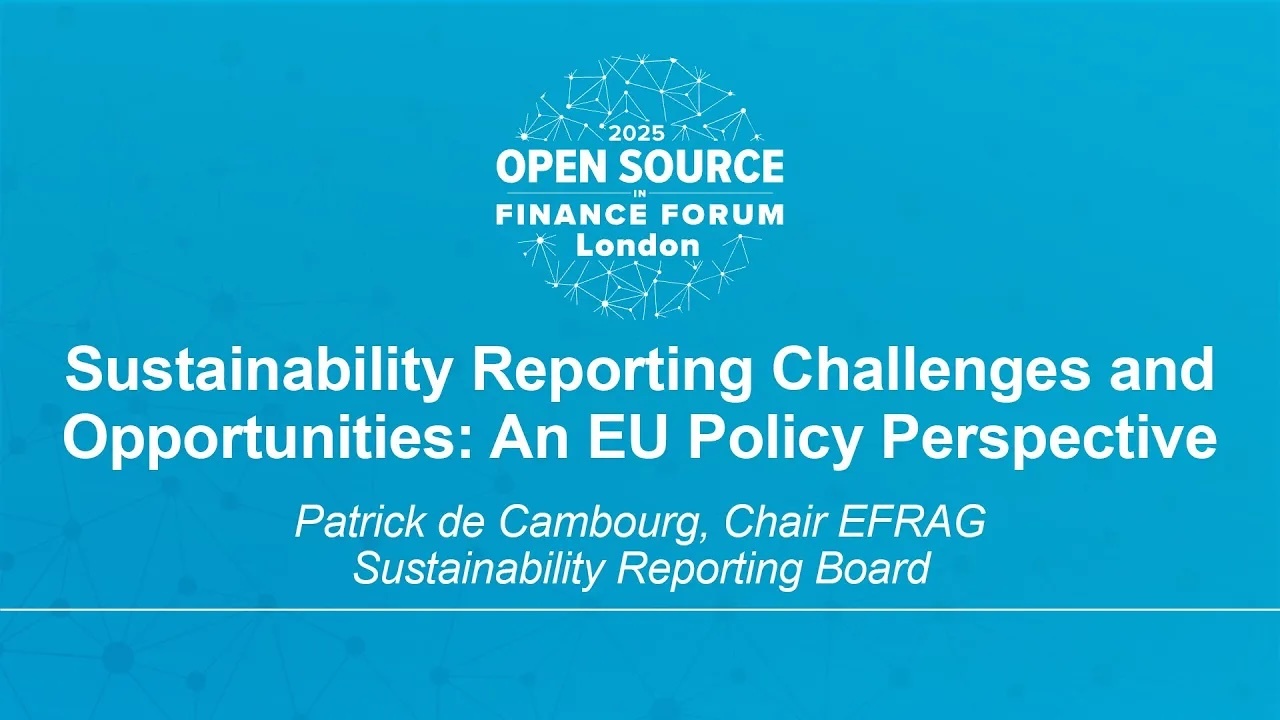
Sustainability Reporting Challenges and Opportunities: An EU Policy Perspective
Patrick de Cambourg, Chair EFRAG Sustainability Reporting Board gives a keynote covering types of regulations, importance of data quality, transparency and standards, building a reliable ecosystem, and the challenges OS-Climate faces.
Using Artificial Intelligence To Fight the Environmental Crisis
The EU Artificial Intelligence Act represents a major regulatory milestone, embedding environmental sustainability into AI governance. It introduces principles for developing AI systems sustainably, mandates energy consumption logging for high-risk AI, and requires lifecycle environmental impact assessments.
Open Source for Climate Risk: Leveraging OS-Climate’s PhysRisk Library
Meet OS-Climate’s PhysRisk library, an open, transparent, and auditable framework that integrates high-quality climate data with advanced risk modeling techniques.
CDM Extension for Property Collateral & Physical Hazard Risks
The current CDM delivers meaningful workflow and cost benefits for banks. Given the material increase in existing and future exposure that banks have to physical risk events on property assets, extending the CDM will provide comprehensive foundation data fields to support end-to-end workflows for the integration of physical hazards like flood, fire and wind.


Are you interested in os-climate and RELATED projects?