

FDC3 is a standard that allows applications across the industry to work together in seamless, joined-up workflows. A user can select an instrument in one application and have another display its chart, news or trading information, without each pair of applications needing its own integration.
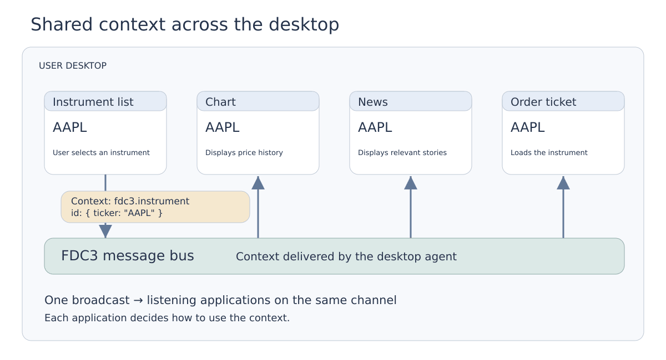
The desktop agent makes that interaction possible: it routes messages, resolves intents and manages channels. Its behaviour matters to every application participating in the workflow.
The FINOS FDC3 Conformance Program tests implementations against the standard. That gives developers and firms evidence that a particular implementation supports the expected behaviour, reducing the work involved in moving applications between platforms.
For 3.0, the conformance suite has expanded to cover new metadata requirements, context clearing and intent listener conflicts, alongside improvements to tests for user channels, errors and timeouts. Versioned test runners also help ensure implementations are assessed against the corresponding version of the standard.
Three implementations, a shared standard
The three conforming desktop agents bring together a FINOS open source project, a commercial platform and an implementation from a financial institution:
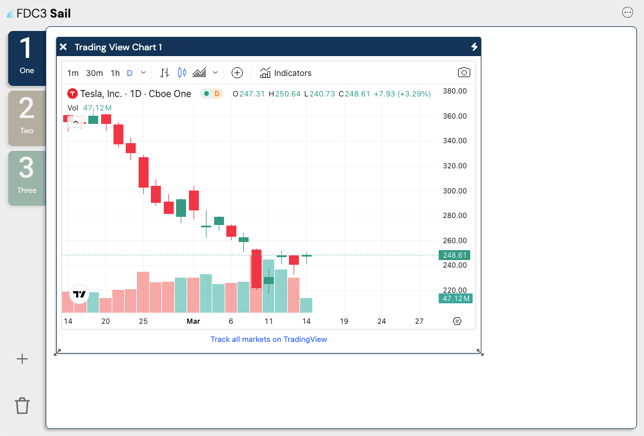
FDC3 Sail — FINOS’s open source implementation of the FDC3 standard.
interop.io’s io.connect Browser 5.0 — bringing FDC3 3.0 conformance to its browser platform.
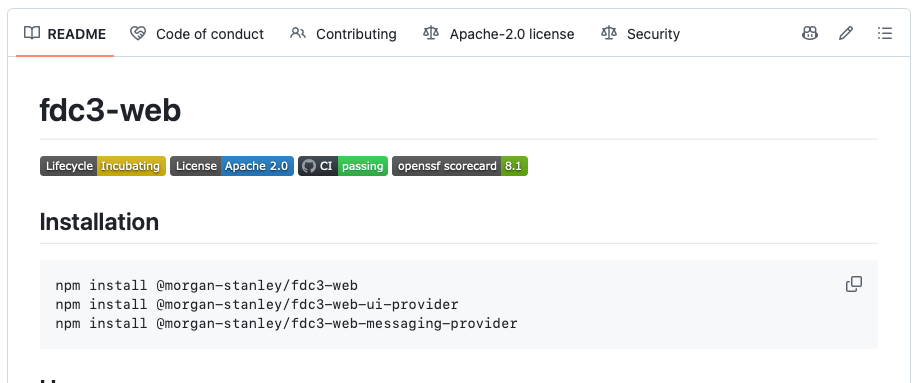
Morgan Stanley’s fdc3-web — an open source library providing FDC3 capabilities for web applications.
This breadth matters because application developers need a standard they can use across implementations, and firms need choices about how they provide interoperability to their users. Conformance provides a common basis for those choices.
“FDC3 3.0 marks a turning point for desktop interoperability. We’ve moved from simply moving context between applications to being able to observe, trace and trust those workflows end‑to‑end. The fact that three independent desktop agents have already achieved conformance shows that firms and vendors can adopt these new capabilities consistently, with a common standard underpinning real production implementations.”
- Kris West, FDC3 Lead Maintainer and Distinguished Engineer at NatWest.
What is new in FDC3 3.0?
One of the biggest changes is better visibility into workflows. Broadcast contexts and raised intents carry a trace identifier, timestamp and source application identity. Applications can use this metadata to correlate activity across a workflow and build audit trails showing which application sent a message and when.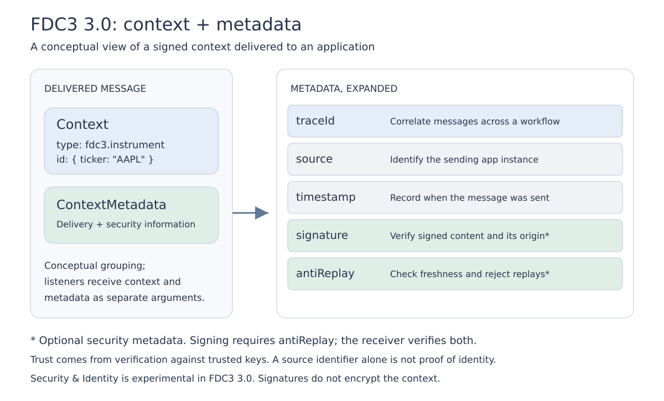
There are also practical improvements to everyday application behaviour. Applications can clear channel context, helping them reset filters and remove stale selections. Intent requests can specify whether to launch a new application instance or use an existing one. Clearer rules for intent listeners make resolution more predictable.
"Standardized metadata gives every interaction the context needed to understand where it came from, when it happened and how it fits into the wider workflow. That makes interoperability more observable and auditable—and provides an important foundation for security and trust between applications."
- Julianna Mealin, FDC3 Maintainer and Senior Developer at interop.io
The release also strengthens documentation for JavaScript/TypeScript, .NET and Go bindings, and adds support for institutional payment workflows through the StartPayment intent and payment context.
Building trust between applications
Alongside the core changes, 3.0 introduces an experimental Security & Identity specification, supported by a reference implementation.
Applications can sign contexts so recipients can verify their origin and integrity, exchange encrypted data, and request verifiable user identity. These capabilities allow applications to establish trust even when messages pass through a desktop agent.
That is increasingly relevant as workflows span applications from different vendors and organisations. It also provides useful foundations for AI-enabled workflows: applications need ways to establish who supplied information, verify messages and protect sensitive data as automated participants join the process.
These features remain experimental. Core desktop agent conformance should not be read as certification of an application’s security controls or governance arrangements.
Get involved
Thank you to the maintainers, implementers and contributors who have developed the 3.0 specification, expanded the test suite and brought these three desktop agents through conformance.
You can review the FDC3 3.0 release, try the FDC3 npm packages, explore the FDC3 website or join in with our weekly FDC3 project meetings.
If you build a desktop agent, now is a good time to test against 3.0. If you build applications, these implementations give you somewhere to start.